

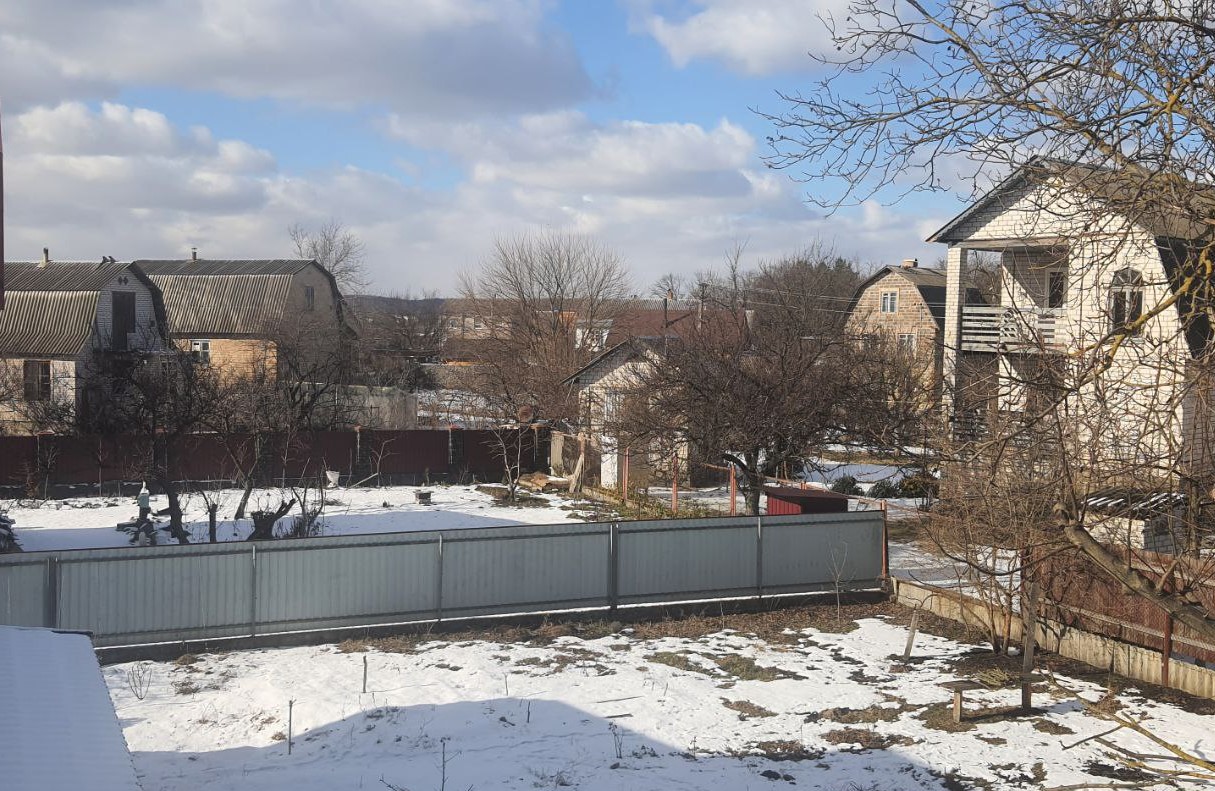
This recording was made on the morning of 26 December 2024. Once again, russia attacked Ukraine with a large number of Shahed drones and cruise missiles. The recording captures the sound of a Ukrainian fighter aircraft (possibly an F-16), which was raised to patrol the airspace near Kyiv. First of all, this is done in order to protect it from destruction at the airfield. Also, these aircraft are used to shoot down air targets (cruise missiles and drones) quite effectively. These sounds were heard in the morning by people of the villages of the region, who were sleeping peacefully in their homes after celebrating Christmas on the evening of 25 December. It is these sounds, in particular, that in recent times accompany every missile and drone attack on Ukraine.
Запис було зроблено вранці 26 грудня 2024. Росія вкотре атакувала Україну великою кількістю дронів типу "Шахед" та ракетами. На записі чутно звук українського винищувача (можливо саме F-16), який було піднято для патрулювання повітряного простору поблизу Києва. Це робиться з метою, по-перше убезпечення від знищення на аеродромі базування, а по-друге - для ефективного збиття повітряних цілей (крилатих ракет та дронів). Саме ці звуки зранку почули жителі сіл району, що мирно спали у своїх доміках після святкування Різдва ввечері 25 числа. Саме цими звуками, зокрема, супроводжується для жителів України кожна ракетна та дронова атака росіян.
This sound is quite frightening when heard for the first time as it is very long-lasting and the fighter aircraft moves in circles (at least it seems so). The sound moves away and then gets closer, then again away and again closer, which is especially irritating. However, after listening to it afterwards [on the soundscape recording], it seems to be much less scary, resembling more the sound of a motorway or a train. …And you have asked me if there are sounds that I miss now. There are. For example, I miss the sound of genuine laughter. Before the war, you could walk through the park and you would hear people celebrating something, having fun and laughing sincerely. They were laughing loudly and openly, and sometimes crazily. They expressed their emotions and it was normal for them. Now, it seems to me that for the last three years, people have stopped expressing these emotions. It is hard for them to express them because almost everyone has lost somebody or something. And every person has some personal triggers and some personal fights going on inside their head right now. On one hand, I think that we don’t have such open emotions anymore. On the other hand, I think that maybe we have them, but we do not want to traumatise other people by expressing them. There might be wounded soldiers, wounded people nearby, and it might be harmful and stressful to them to hear me laughing. And it feels like this suppression of laughter and emotions is everywhere in society, from western Ukraine to central Ukraine to southern Ukraine. Everywhere. People can laugh, but they very rarely express do so publicly. And this is a sound that I miss.
Цей звук досить лякаючий, коли його чути вперше, оскільки він дуже тривалий, і коли винищувач рухається по колу [принаймні так здається]. звук віддаляється, потім наближається, потім знову віддаляється і знову наближається, що особливо дратує. Однак під час повторного прослуховування (в записі) цей звук є значно менш лякаючим і швидше нагадує шум дороги чи потяга. Ви запитали мене, чи є звуки, яких мені наразі не вистачає. Є такі. Мені, наприклад, не вистачає звуків щирого сміху. До війни можна було пройти парком і почути, як люди щось святкують, веселяться і щиро та голосно сміються. Вони відверто сміялися, іноді шалено. Вони висловлювали свої емоції, і для них це було нормально. Зараз мені здається, що за останні три роки люди перестали висловлювати ці емоції. Їм важко їх висловити, тому що майже кожен щось або когось втратив під час цієї війни. І у кожної людини є якісь особисті тригери та якісь особисті внутрішні сутички та суперечності, які прямо зараз відбуваються в її голові. З одного боку, я думаю, що таких відкритих емоцій у нас більше немає. З іншого боку, можливо, якщо вони є, ми не хочемо травмувати інших людей, відкрито демонструючи такі емоції. Поруч можуть бути поранені солдати, травмовані люди, і їм може бути ніяково і боляче чути мій сміх. І таке відчуття, що це придушення сміху та емоцій є скрізь у суспільстві, від Західної до Центральної та Південної України. Всюди. Люди вміють сміятися, але дуже рідко висловлюють це публічно. І це звук з минулого, за яким я сумую.
I have never experienced living through a war so for me the sounds such as sirens made me feel a mixture of anxious mixed with thinking how normal & everyday the other sounds are . They are very relatable. The sounds & interviewees' comments reminded me of reading recollections of people's experiences of war in Britain during second World war & how nothing really changes. Listening to these recordings & reflections will make me view news reports of war in other countries differently.
These sounds & reflections also spoke to me about how other terrible human experiences all people go through at sometime feel- a mixture of horror & ordinary life co-existing.
Я ніколи не жив під час війни, тому такі звуки, як сирени, викликали в мене суміш тривоги та думок про те, наскільки нормальними та буденними є інші звуки. Вони дуже близькі мені. Звуки та коментарі респондентів нагадали мені зібрані спогади людей про війну у Британії під час Другої світової війни та про те, як нічого насправді не змінюється. Прослуховування цих записів та пов'язаних роздумів змусить мене я по-іншому сприйматиму новини про війну і в інших країнах.
Ці звуки та роздуми також повідали мені мені про те, як відчуваються деякі жахливі людські переживання, через які подекуди проходять усі ці люди – суміш жаху та звичайного життя, що співіснують одночасно.